Places
Old Town Hall, Nakuru
Completed in 1945, Nakuru's Old Town Hall is one of the city's most important historic civic buildings. Located in the CBD, it has served as a centre of municipal administration, political meetings, civic ceremonies, cultural events and community life, witnessing Nakuru's transformation from a colonial township into a modern city.
Standing prominently in Nakuru City’s CBD, the Old Town Hall is one of Nakuru County’s most important historic buildings. Completed in 1945, it has served for decades as the centre of municipal administration, civic ceremonies, political dialogue, and community life. More than simply an administrative building, the Old Town Hall chronicles Nakuru’s journey from a colonial township to one of Kenya’s newest cities.
The Birth of a Civic Landmark
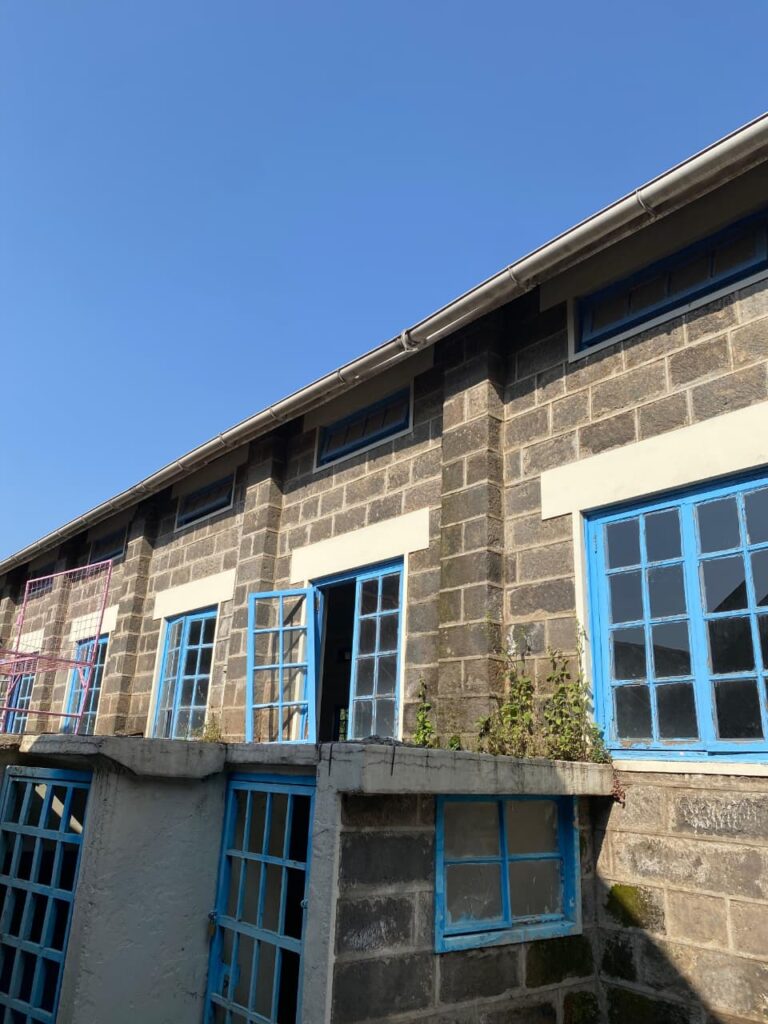
Construction of the Old Town Hall was completed during the final years of the Second World War, at a time when Nakuru was rapidly growing as the administrative and commercial centre of the Rift Valley Province. Designed in the restrained colonial architectural style of the period, the building featured thick masonry walls, imposing columns, large timber windows, high ceilings, and polished wooden floors. These elements were intended to provide durability while keeping interiors cool in the Rift Valley climate.
Its location along Government Road placed it at the centre of civic life, within walking distance of the law courts, railway station, municipal offices, and the town’s commercial district.
Centre of Municipal Government
For more than two decades, the Old Town Hall housed the offices of Nakuru’s municipal leadership and served as the meeting place of the municipal council. From the late 1940s through the 1960s, mayors, aldermen, councillors, and municipal officers met here to debate issues affecting the growing town, including roads, sanitation, housing, markets, education, and public health.
Many of the policies that shaped modern Nakuru were first discussed within its council chambers, making the building an important witness to the city’s urban development.
A Stage for Kenya’s Political Transition
The Old Town Hall also occupies a special place in Kenya’s national story.
In the months leading to independence in 1963, Nakuru became an important venue for discussions between African political leaders and members of the European settler community. Historical accounts record that Prime Minister Jomo Kenyatta addressed settlers in Nakuru, urging reconciliation, peaceful coexistence, and confidence in the future of an independent Kenya.
These meetings helped reassure many farmers and business owners during a period of political uncertainty and contributed to a relatively peaceful transition to independence in the Rift Valley.
A Social and Cultural Centre
Beyond politics, the Old Town Hall became one of Nakuru’s premier social venues.
For decades, it hosted official receptions, civic banquets, graduation ceremonies, fundraising events, beauty contests, cultural performances, weddings, and public dances. During national celebrations such as Madaraka Day, Jamhuri Day, and Mashujaa Day, official programmes often concluded with evening functions at the hall.
Residents still recall the live performances staged by bands such as Bongo Boys Band and the Scarlet Band from Lanet Barracks, whose music attracted dancers from across Nakuru well into the night. These social gatherings made the Old Town Hall one of the city’s best-known entertainment venues during the 1960s, 1970s, and 1980s.
Religious Significance
The building also occupies an important place in Nakuru’s religious history. In 1983, Bishop Mark Kariuki established what would later become Deliverance Church within the Old Town Hall before the church expanded into one of Kenya’s largest Pentecostal denominations.
This chapter added another dimension to the building’s history, making it significant not only in civic administration but also in the country’s religious development.
Decline and Restoration
After decades of continuous use, the building began showing signs of age. Timber elements deteriorated, the roof weakened, and maintenance became increasingly difficult. In 2022, part of the ageing roof collapsed shortly before major restoration works were scheduled to begin, highlighting the urgent need for conservation.
Recognising the building’s historical importance, the Nakuru County Government initiated an extensive restoration programme. The project sought to preserve the original timber floors, decorative windows, masonry walls, roof structure, and other architectural features while adapting the building for continued public use.
The long-term vision is to transform the Old Town Hall into a community and heritage centre where residents and visitors can learn about Nakuru’s civic history while ensuring that one of the city’s oldest public buildings continues serving future generations.
Legacy
Nearly eighty years after its completion, the Old Town Hall remains one of Nakuru’s defining landmarks. It has witnessed the colonial era, the transition to independence, municipal government, political meetings, cultural celebrations, religious beginnings, and the evolution of Nakuru into Kenya’s fourth city.
Few buildings better capture the story of Nakuru’s civic life. Preserved and restored, the Old Town Hall continues to stand as a symbol of the city’s heritage, resilience, and enduring public spirit.
Historical significance
The Old Town Hall is an important surviving landmark of Nakuru's civic and social history. Completed in 1945, it served for decades as a centre of municipal government, where mayors, councillors and officials deliberated on matters such as roads, housing, sanitation, markets, public health and the development of the growing town.
Its importance extends beyond municipal administration. The building witnessed the political changes surrounding Kenya's transition from colonial rule to independence and later became a familiar venue for civic receptions, national celebrations, dances, cultural performances, weddings, fundraising events and other public gatherings.
The hall also has a place in Nakuru's religious history. In 1983, Bishop Mark Kariuki established what would later become Deliverance Church at the Old Town Hall. Having survived decades of changing uses and the deterioration that eventually prompted major restoration works, the building remains a physical record of Nakuru's evolution and an important part of the city's architectural heritage.