Gicinga Telling Nakuru's Story

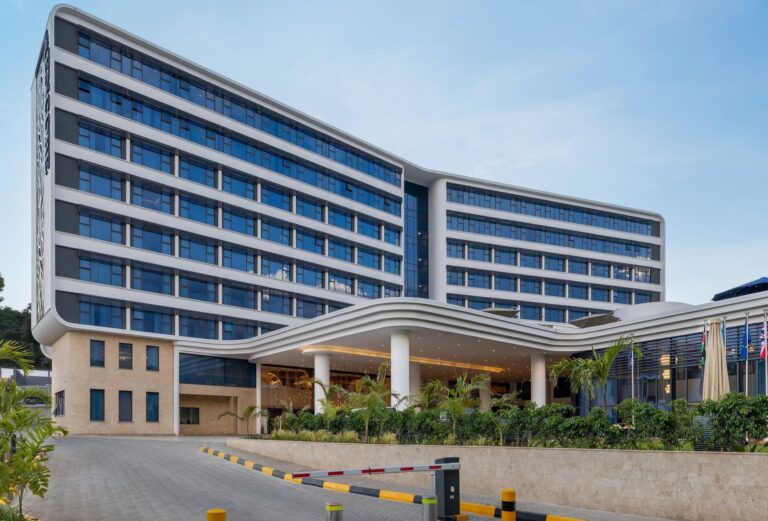
On 22nd June 2026, Nakuru City reached a new milestone in its urban and economic development when The Encore Hotel officially opened its doors to the public. The launch of the five-star hotel marked one of the largest private investments ever made in Nakuru’s hospitality sector and reflected the city’s growing importance as a commercial, conference, and tourism destination within Kenya.

Situated in the prestigious Milimani area adjacent to State House Nakuru, the multi-billion-shilling development introduced a new standard of luxury accommodation to the city. For decades, Nakuru had been renowned for its agricultural economy, Lake Nakuru National Park, and its strategic position along the Nairobi–Eldoret transport corridor. The opening of The Encore signalled the city’s growing confidence in attracting business travellers, international conferences, and high-end tourism.

Designed as a modern hospitality complex, the hotel features 205 guest rooms and suites, multiple restaurants and lounges, a 500-seat conference auditorium, executive meeting facilities, wellness and fitness amenities, and landscaped recreational spaces. Its facilities significantly expanded Nakuru’s capacity to host major conferences, corporate events, diplomatic delegations, and international visitors.

Architecturally, The Encore represents contemporary design inspired by the natural landscape of the Great Rift Valley. Extensive glass faƧades maximise natural light while offering panoramic views towards Menengai and the surrounding countryside. The interiors incorporate modern finishes alongside locally inspired materials and artwork, creating a setting that combines international hospitality standards with a distinct regional character.

The hotel’s development also became part of Kenya’s contemporary political history. During construction, its location next to State House Nakuru generated public debate and parliamentary scrutiny over planning approvals, land ownership, and security considerations. The developers maintained that all statutory approvals had been obtained, allowing construction to proceed to completion.

The official opening brought together political leaders, business executives, tourism stakeholders, investors, and members of the local community. Beyond its architectural significance, the project was welcomed for its contribution to employment and economic activity. Hundreds of direct and indirect jobs were created during construction and operation, while local suppliers, transport providers, farmers, artisans, and service businesses benefited from new commercial opportunities generated by the hotel.

The Encore also strengthened Nakuru’s position within Kenya’s Meetings, Incentives, Conferences and Exhibitions (MICE) industry. Previously, many large conferences and high-profile events were concentrated in Nairobi or Naivasha due to limited accommodation and conference capacity in Nakuru. The new hotel helped bridge this gap by providing facilities capable of hosting national and international gatherings within the city itself.

The opening of The Encore Hotel, therefore, represented more than the inauguration of a luxury accommodation facility. It symbolised Nakuru’s continuing transformation from a regional agricultural centre into a modern city with expanding tourism, hospitality, investment, and conference infrastructure. As the city continues to grow, the hotel is likely to remain an important landmark in the history of Nakuru’s urban development and private-sector investment.

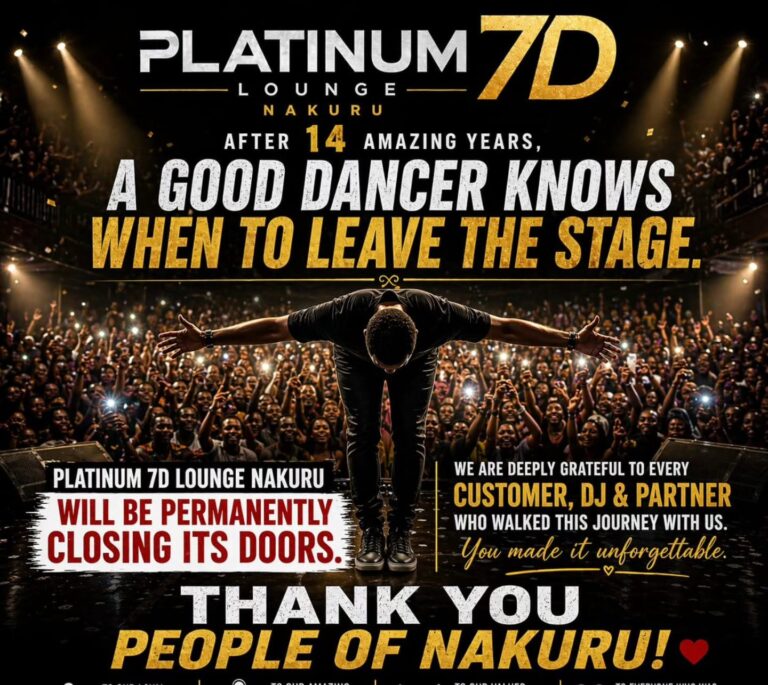
On 7 May 2026, Platinum 7D Lounge, one of Nakuru City’s best-known entertainment venues, permanently closed its doors after approximately fourteen years of operation. Located at Drive Inn Arcade along the Nakuru–Nairobi Highway, the nightclub had grown from a modest outdoor establishment into one of the city’s most recognisable nightlife destinations.

Founded in the early 2010s, Platinum 7D began as a simple tented entertainment venue before expanding into a complex club equipped with modern sound systems, lighting, and spacious indoor and outdoor entertainment areas. Its strategic location on the southern approach to Nakuru made it a popular destination for city residents, university students, business travellers, and motorists passing through the Rift Valley.

During its years of operation, Platinum 7D became a regular venue for performances by leading Kenyan musicians, DJs, MCs, and entertainers. The club hosted themed events, live performances, album launches, and weekend entertainment that attracted patrons from Nakuru and neighbouring counties. It played an important role in establishing Nakuru as one of Kenya’s leading nightlife destinations outside Nairobi.

Like many businesses in the hospitality sector, Platinum 7D faced significant challenges during the COVID-19 pandemic. Although it survived the prolonged closures and restrictions that forced many entertainment venues to shut down permanently, changing consumer trends, rising operational costs, and a difficult business environment continued to affect the industry in the years that followed.

According to the management, the decision to close was reached following consultations between the directors and staff. On 7 May 2026, the club announced its closure through a public statement thanking customers, employees, entertainers, and business partners for their support throughout the years.

The closure marked the end of an era for Nakuru’s entertainment scene. Beyond music and nightlife, Platinum 7D had supported a wider nighttime economy that included taxi operators, food vendors, security personnel, event organisers, photographers, and suppliers who benefited from the steady flow of patrons visiting the venue.

Today, Platinum 7D occupies a place in Nakuru’s social history alongside other well-known entertainment establishments that helped shape the city’s nightlife over different generations. Its story reflects the changing tastes, economic realities, and cultural evolution of Nakuru during the early twenty-first century.

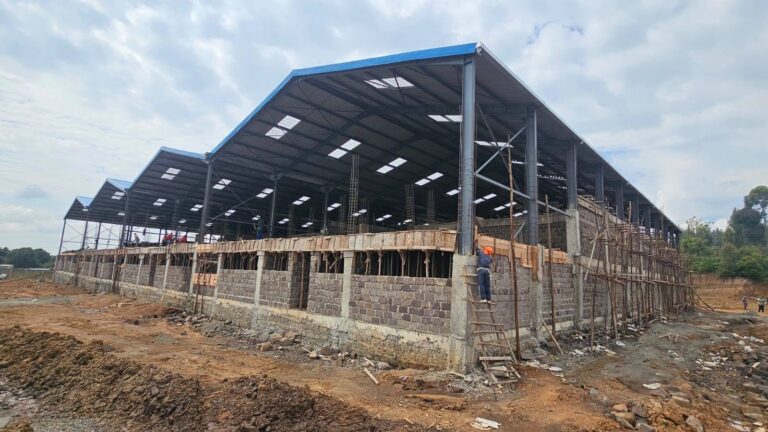
On 10 October 2023, Nakuru County reached a major milestone in its industrial development agenda when the Ngongongeri Farm site in Njoro was officially handed over for the construction of the County Aggregation and Industrial Park (CAIP). The ceremony marked the commencement of one of the largest agro-industrial projects ever undertaken in the county.

The County Aggregation and Industrial Park forms part of a national initiative aimed at promoting agro-industrialisation, value addition, manufacturing, and job creation by establishing modern industrial hubs close to Kenya’s major agricultural production zones. Njoro was selected because of its rich agricultural heritage, strategic location, and proximity to institutions such as Egerton University and numerous agricultural research centres.

Following the site handover, contractors began preparatory works that included land clearing, perimeter fencing, drainage improvements, and the installation of essential infrastructure ahead of full-scale construction.

The project signalled a new chapter in Njoro’s history. For more than a century, the area had been recognised as one of Kenya’s leading centres of agricultural production, education, and research. The establishment of the County Aggregation and Industrial Park represented the next phase in that evolution—linking farming with manufacturing, processing, storage, and export-orientated value-added activities.

The official handover of the site on 10 October 2023, therefore, marked not only the beginning of construction but also Nakuru County’s ambition to transform its agricultural strength into industrial growth and sustainable economic development.

Read More: The History and Significance of the Njoro County Aggregation and Industrial Park.