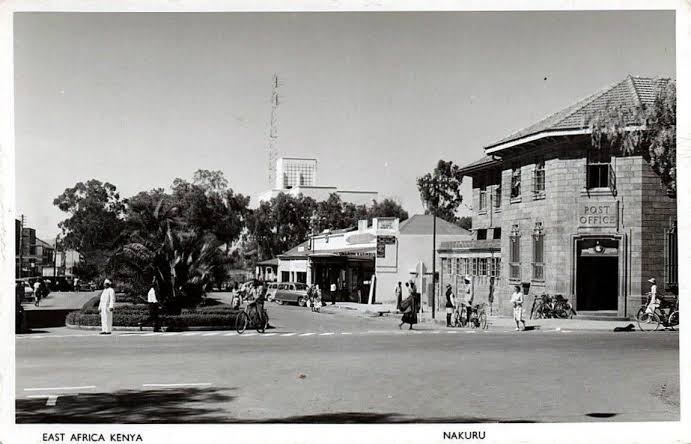
The Origins of Nakuru Town Explained
Unlike many cities that were founded by a single individual, Nakuru does not have one specific founder. Instead, Nakuru developed gradually in the early 1900s during the construction of the Uganda Railway and the expansion of colonial settlement in Kenya.
Nakuru’s growth was the result of several key factors:
- The construction of the Uganda Railway
- Arrival of British colonial administrators
- Settlement by European farmers
- Trade and movement of people through the Rift Valley
Because of this, Nakuru is considered a colonial-era town that evolved, rather than a city founded by one individual.
Role of the Uganda Railway in the Founding of Nakuru
The most important factor in the development of Nakuru was the Uganda Railway, built between 1896 and 1901. As the railway expanded into the Rift Valley, Nakuru became a key railway stop, and traders and settlers began to establish businesses. This led to the area growing into a trading centre, marking the beginning of Nakuru as a town.
Early Settlers and Development
After the railway arrived, Nakuru attracted British settlers (farmers and administrators), Indian traders and railway workers, and the local communities from surrounding areas. These groups contributed to the early growth and structure of Nakuru town.
Why Nakuru Grew Quickly
Nakuru’s growth was influenced by the fertile agricultural land in the Rift Valley, its central location along transport routes, and administrative importance during colonial rule. This made Nakuru one of the fastest-growing towns in colonial Kenya.
Nakuru After Independence
After Kenya gained independence in 1963, Nakuru continued to expand. It became more diverse, local businesses grew, and urban development increased. Today, Nakuru is a major city and economic hub in Kenya.
Conclusion
The history of Nakuru shows that cities do not always have one founder. Instead, Nakuru was shaped by infrastructure, migration, and economic activity over time. From a railway stop to a major Kenyan city, Nakuru’s story is one of gradual growth and transformation.
Frequently Asked Questions (FAQ)
1. Who is the founder of Nakuru?
Nakuru does not have a single founder. It developed during the colonial period.
2. When did Nakuru start?
Nakuru began developing in the early 1900s during the construction of the Uganda Railway.
3. Why is Nakuru important in Kenya?
Nakuru is important due to its location, agriculture, and role as a major urban centre.